How to redesign a living room from one photo
A practical way to plan a living room makeover from a single phone photo: what to shoot, what to keep, and how to turn a picture into a list of pieces you can actually buy.
Updated November 1, 2026 · 5 min read
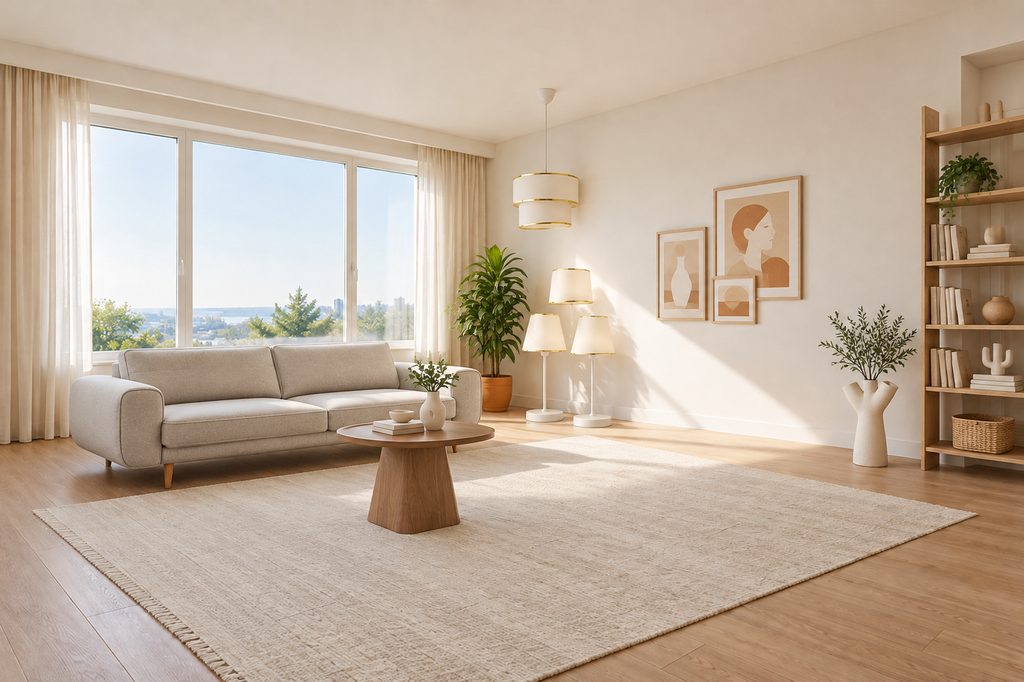
Take one wide photo from the doorway in daylight, decide what stays, pick a single style direction, and then shop the room in order: sofa and rug first, then tables and lighting, then decor. A design you can buy beats a beautiful picture you cannot.
1. Take the right photo
Stand in the doorway or the corner furthest from the window, hold the phone at chest height and take one wide, level shot in daylight. You want to see the floor, at least two walls and the window. That single frame tells a designer, human or AI, where the light comes from, how much floor you really have and which walls carry the room.
- Turn on every light you normally use in the evening, then take a second photo: it shows where the room goes dark.
- Leave the furniture where it is. The mess is information, not a problem.
- Avoid ultra-wide lenses if you can: they make small rooms look bigger than they are.
2. Decide what stays
Most rooms do not need everything replaced. Walls, windows, flooring and built-ins stay; usually the sofa, the rug and the lighting are what make the room feel unfinished. Make a short keep list before you look at any inspiration, because it changes every decision after it.
3. Choose one direction, not five
Japandi, warm minimal, mid-century, coastal: they are all lovely, and mixing three of them is how rooms end up feeling random. Pick one style that suits the light you already have. A sunny room carries pale wood and linen beautifully; a darker room often looks better with warmer woods, deeper textiles and more lamps.
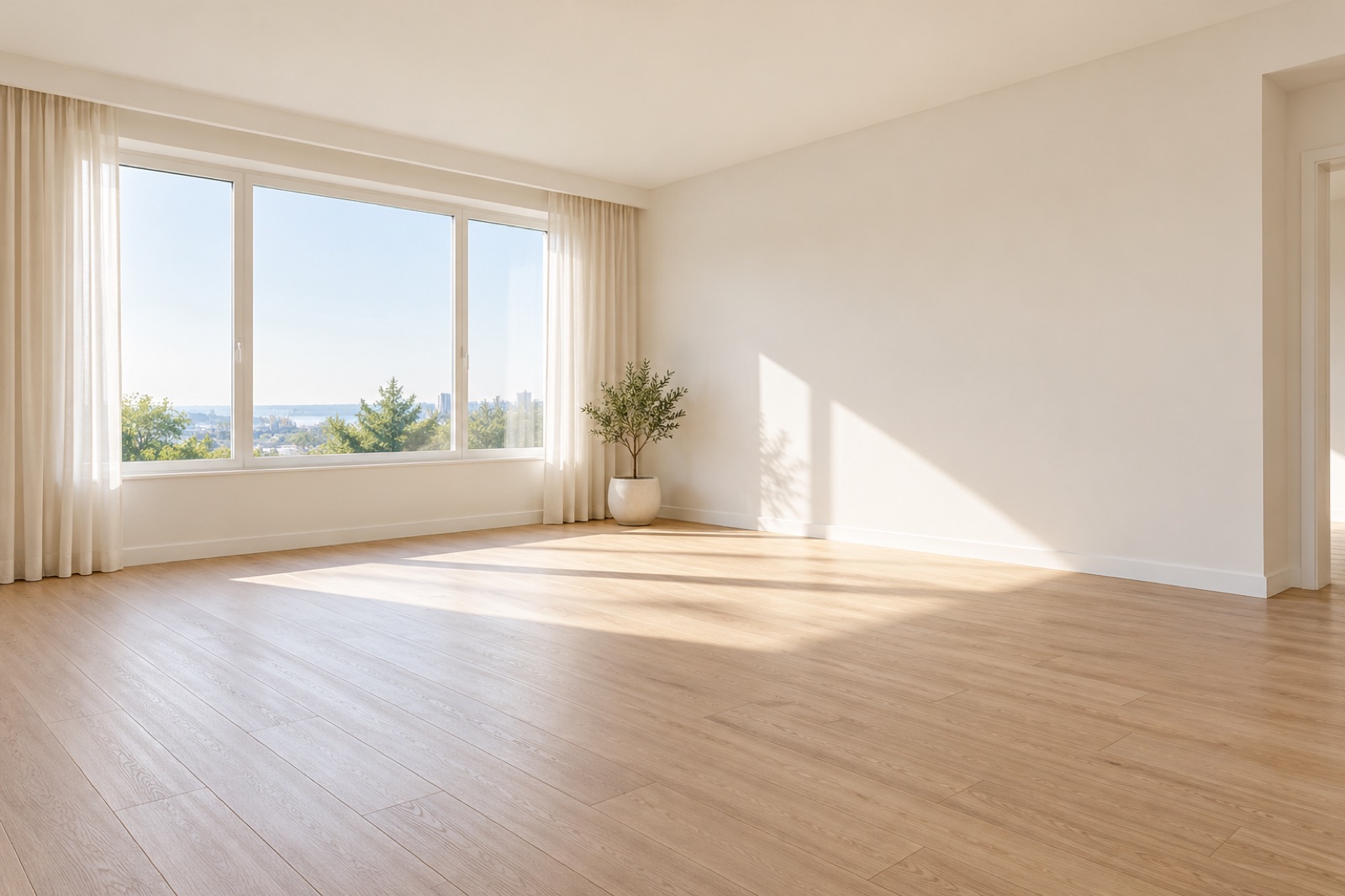
4. Turn the picture into a shopping list
This is where most makeovers stall. A render is only useful if every piece in it exists, fits and ships to you. Shop in this order, because each choice sets the scale for the next one:
- 01SofaMeasure the wall first. A sofa around two-thirds of the wall length leaves room to breathe and to walk past.
- 02RugLarge enough that at least the front legs of the sofa and chairs sit on it. Too small is the most common mistake.
- 03Tables and storageA coffee table about two-thirds the length of the sofa, about 40–45 cm from its front edge.
- 04LightingAt least three light sources at different heights: a floor lamp, a table lamp and something on the wall or a shelf.
- 05DecorArt, plants, cushions and a throw last. They are the cheapest to change and the easiest to get right once the big pieces are in.
5. Change it by asking, not by starting over
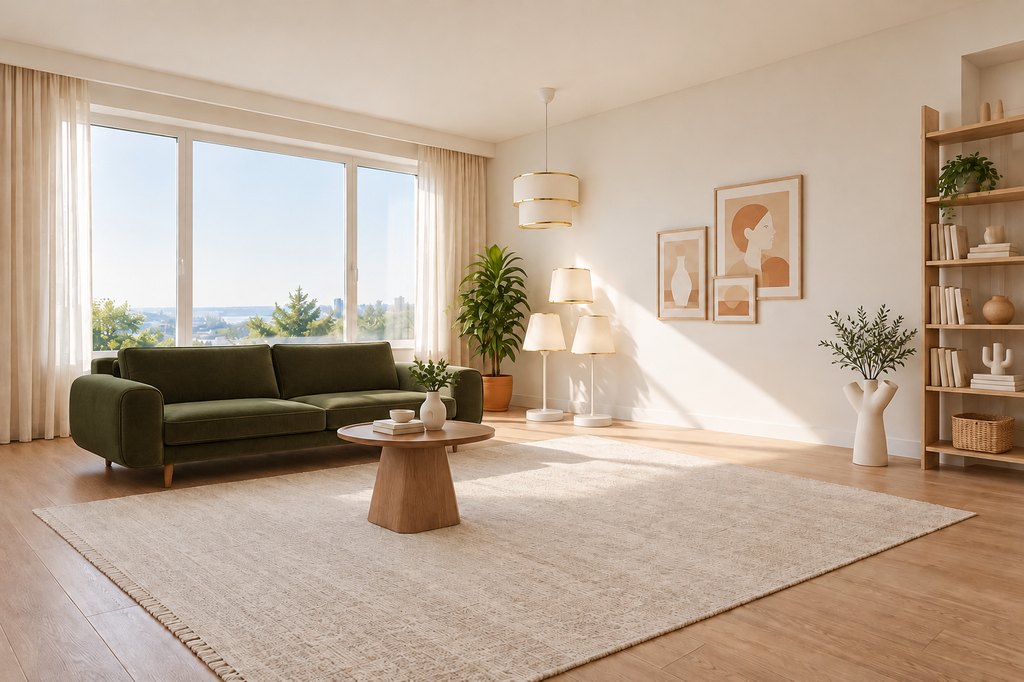
The first design is a starting point. Maybe the sofa should be olive, the budget lower, or your own rug should stay. In room redesign you say that in plain words; the room is redrawn and the shopping list follows, so you never lose the parts you already liked.
What a photo cannot tell you
A photo shows proportions, not exact measurements. Before you order anything large, check the sofa’s width and depth against your wall and walkway, and measure doorways and stairs on the way in. Treat any design, including ours, as an illustration of the idea and the product list as a short list you confirm with a tape measure.
Questions people ask
Do I need an empty room to redesign it from a photo?+
No. A furnished room is easier to read, because it shows how you actually use the space. The design keeps your walls, windows and floor and changes the furniture, textiles, lighting and decor.
What makes a good room photo?+
Daylight, a level phone at chest height, and a wide view from the doorway or a corner that shows the floor, two walls and the window.
Can I keep my own sofa?+
Yes. Choose “Keep my furniture” or say which pieces stay, and the design is built around them.
Are the products in the design real?+
In room redesign, yes: every piece comes from a live search of stores in your country, with the store, the price and a link.
Keep reading
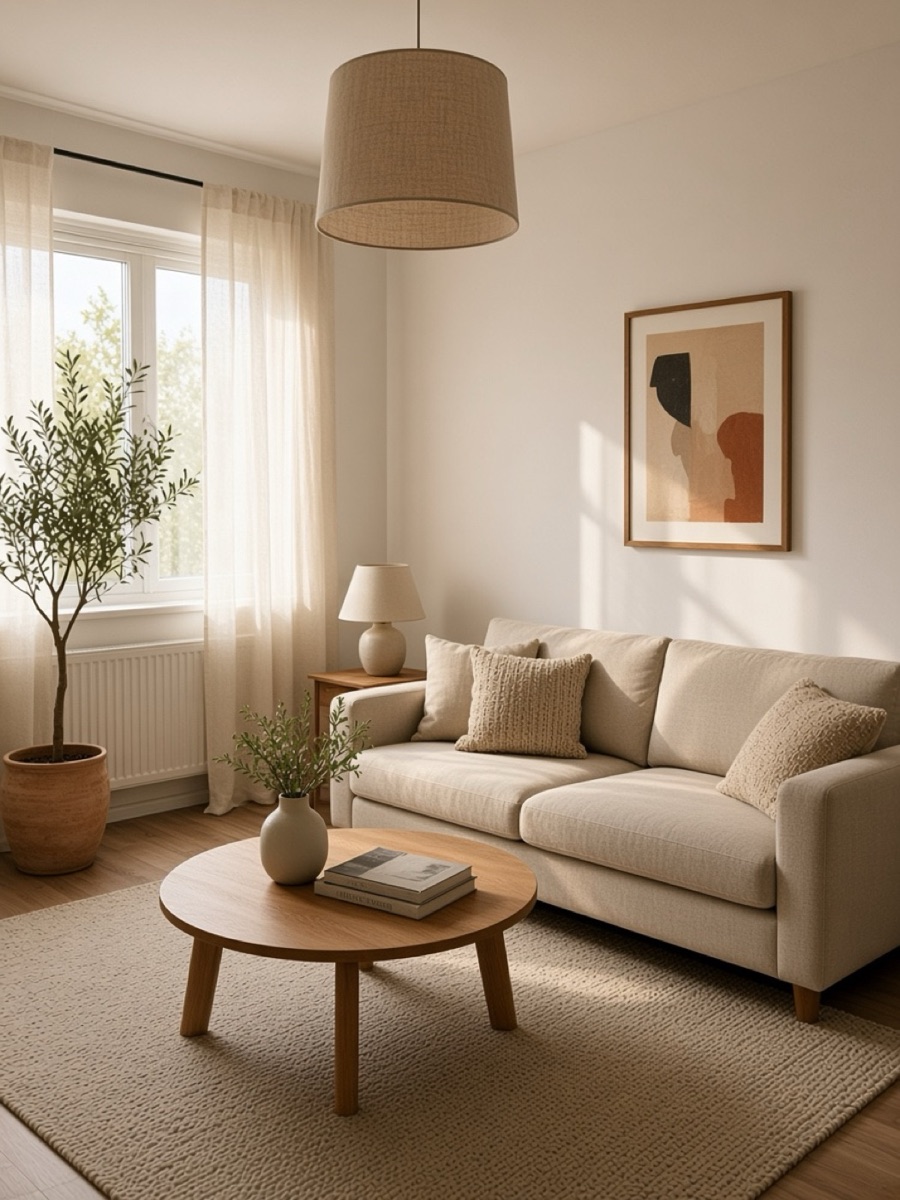 5 min readSmall living room ideas that make it feel biggerTen practical ways to make a small living room feel larger, from rug size and furniture legs to curtain height and light, with a real before and after.
 5 min readJapandi living room: what makes it workJapandi blends Japanese calm with Scandinavian warmth. Here is what actually defines the style, the palette and materials that carry it, and the mistakes that make it look flat.4 min readHow to choose a sofa that fits your roomSize, depth, shape, colour and fabric: how to choose a sofa that fits your wall, your walkway and the way you actually sit.